

In Mobikwik’s IPO, the public investor is taking a VC-style risk
The fintech company is looking to rebuild its financial services business from scratch amid strong regulatory headwinds and will use the IPO’s proceeds to do so.
The fintech company is looking to rebuild its financial services business from scratch amid strong regulatory headwinds and will use the IPO’s proceeds to do so.
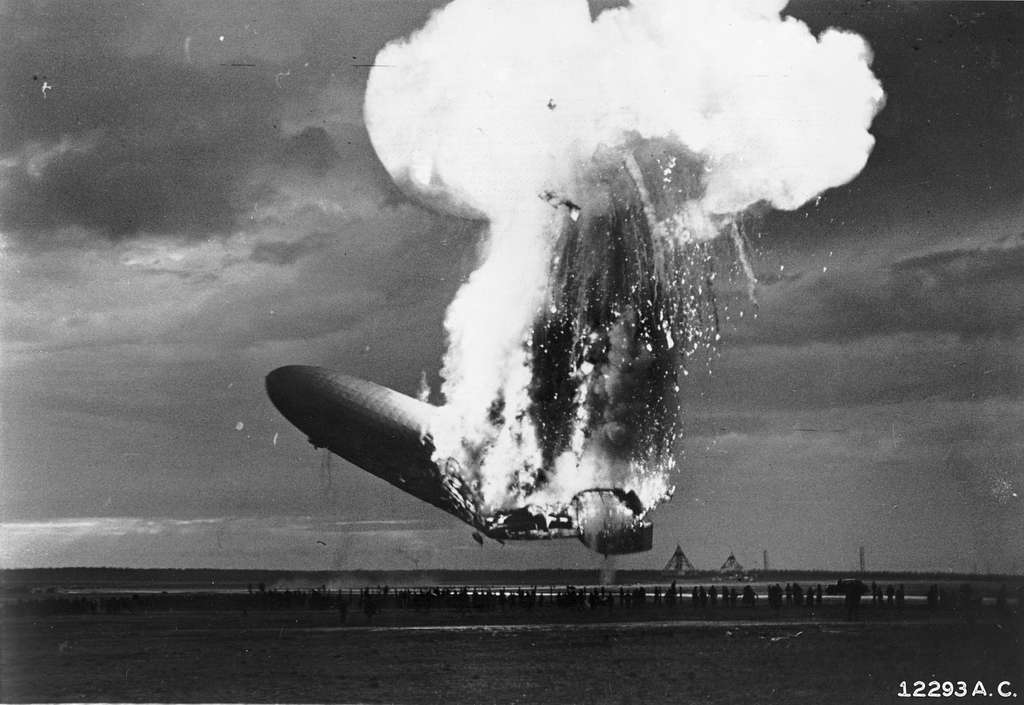
Major fossil-fuel projects have a question mark hanging over them since Adani’s Hindenburg-driven credit crunch. Three months on from the bombshell Hindenburg report, the Adani Group’s fortunes are yet to turn. The Hindenburg allegations have created a lasting political scandal in India. Meanwhile, on the business side of things, the group faces a persistent debt crunch. Continuing media scrutiny has resulted in a flow of damaging revelations about the group’s businesses. Despite a halting recovery in the stock markets, the group’s net loss since the Hindenburg report is still over US $100 billion.
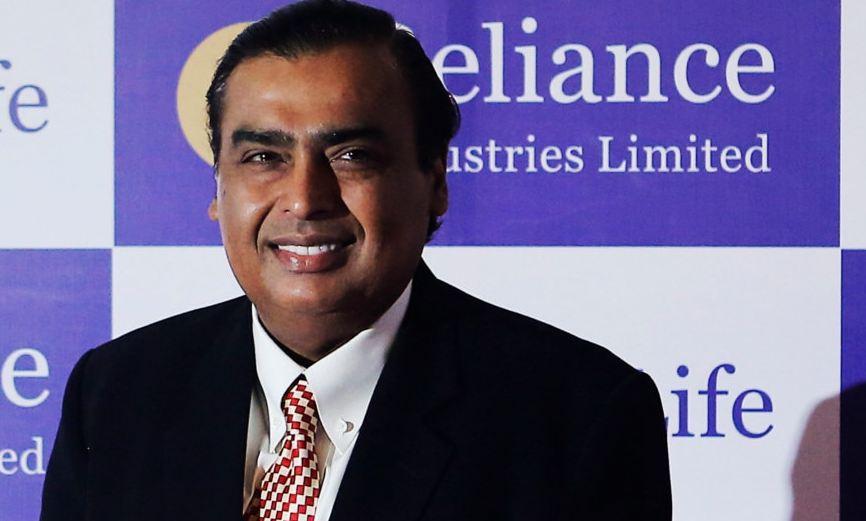
The recently-concluded rights issue of shares by Reliance Industries Limited would not have been possible were it not for the relaxation of a crucial rule by the Securities and Exchange Board of India a few days before the Mukesh Ambani-headed company declared that it would conduct the country’s biggest-ever rights issue to raise over Rs 53,000 crore. This is the sixth article in a series.
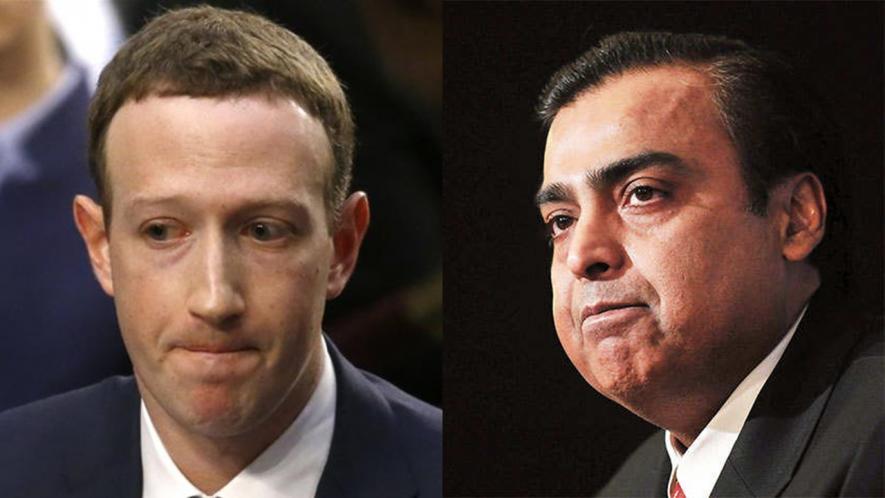
India’s biggest ever rights issues of shares by the country’s single largest private corporate entity, Reliance Industries Limited, is under way at a time when the economy is in terrible shape. Is the fund raising effort being conducted in a manner that could end up with the company’s shareholders paying more than what they should for discounted shares?

Not very long before the $5.7 billion (Rs 43,000 crore) investment in Reliance Jio by social media giant Facebook was announced, Mukesh Ambani and his family members shuffled their shares within the family. While this may have led to a notional gain in the value of the shares, a response sent through his lawyer asserted that since the share transactions were a transfer within the family and family entities no profits or losses can be made.