
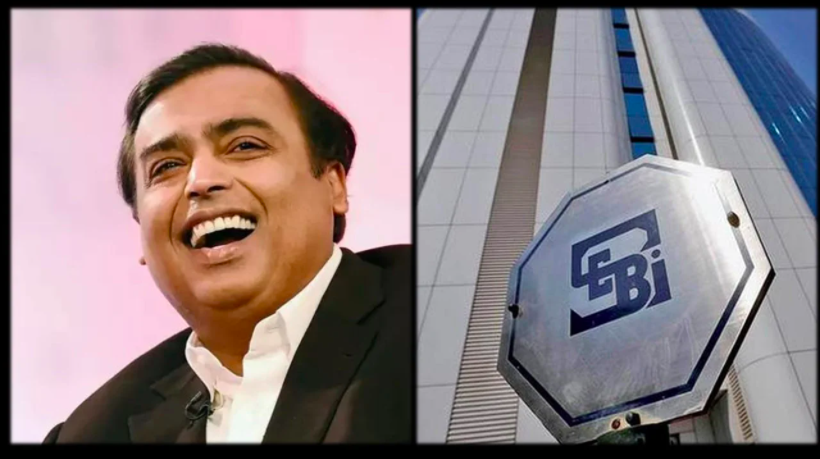
How a Change in a Rule by SEBI Helped Reliance Raise Rs 53,000 crore
A number of significant changes in rules and regulations by the Indian government during the COVID-19 lockdown facilitated a rights issue of shares by Reliance Industries Limited.
A number of significant changes in rules and regulations by the Indian government during the COVID-19 lockdown facilitated a rights issue of shares by Reliance Industries Limited.
The decision of the central bank and banking regulator to increase the group exposure limit that banks have in calculating the quantum of loans given to a particular corporate conglomerate as a proportion of the total loans given by the specific bank, will benefit India’s biggest private company, Reliance Industries Limited. This is the fifth article in a series.
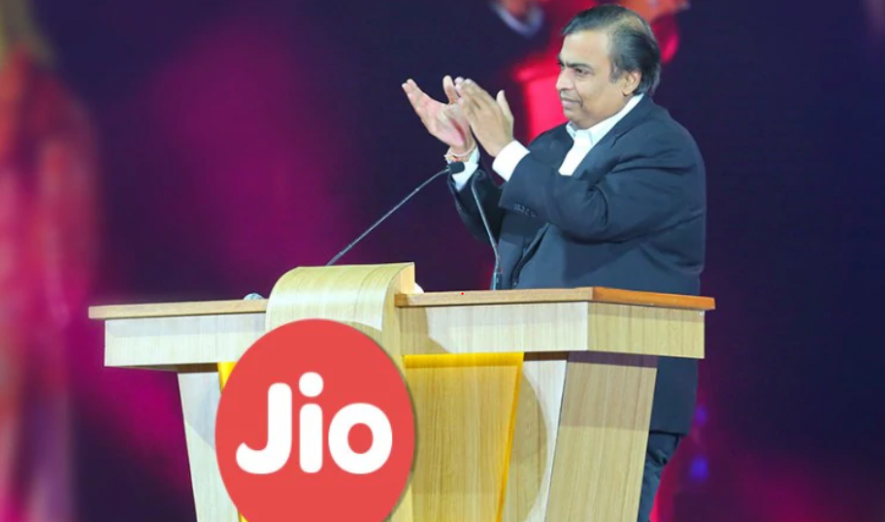
There has been a rush of stake sales in Reliance Jio to international investors. Questions relating to whether the government has addressed national security concerns while allowing these foreign investments remain unanswered. This is the fourth in a series of articles on India’s largest private corporate group.
It is claimed that a recent decision by the Gujarat government, to revoke a 2018 government resolution allowing increases in electricity tariffs by private power companies in the Adani, Tata and Essar groups, would “safeguard” consumer interests. On the contrary, the decision may benefit the private companies at the expense of electricity consumers.
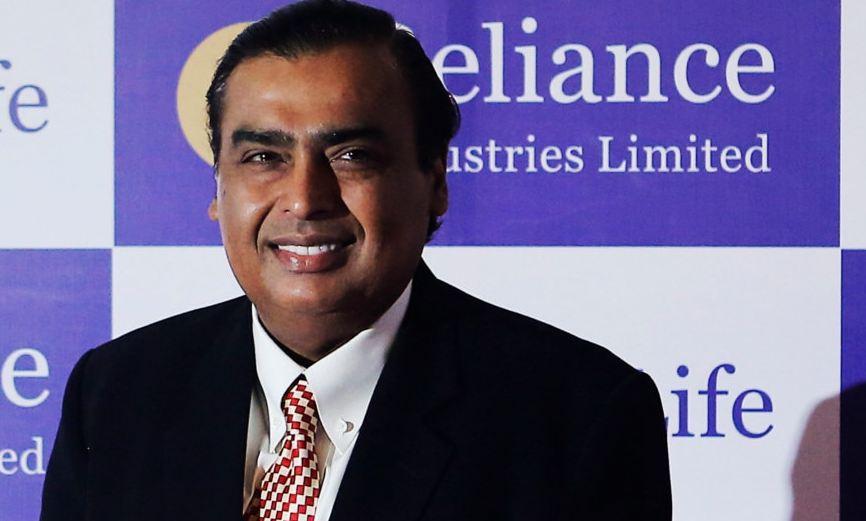
The recently-concluded rights issue of shares by Reliance Industries Limited would not have been possible were it not for the relaxation of a crucial rule by the Securities and Exchange Board of India a few days before the Mukesh Ambani-headed company declared that it would conduct the country’s biggest-ever rights issue to raise over Rs 53,000 crore. This is the sixth article in a series.
Are there clear conflicts of interest in the joint venture between SBI and Jio Payments Bank? With over Rs 1 lakh crore of foreign investments in Reliance Jio, bankers are expressing concern about the security implications of the investments for SBI and Jio Payments Bank. This is the seventh article in a series.
India’s biggest ever rights issues of shares by the country’s single largest private corporate entity, Reliance Industries Limited, is under way at a time when the economy is in terrible shape. Is the fund raising effort being conducted in a manner that could end up with the company’s shareholders paying more than what they should for discounted shares?

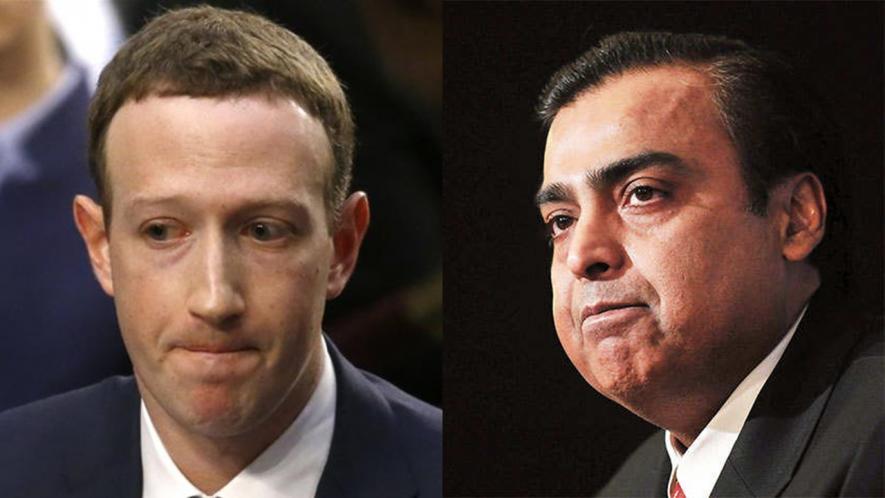
Not very long before the $5.7 billion (Rs 43,000 crore) investment in Reliance Jio by social media giant Facebook was announced, Mukesh Ambani and his family members shuffled their shares within the family. While this may have led to a notional gain in the value of the shares, a response sent through his lawyer asserted that since the share transactions were a transfer within the family and family entities no profits or losses can be made.

A group of customers of Tata Housing has taken the company to the country’s top consumer court, alleging a number of irregularities in the developer’s La Montana project located on the outskirts of Pune.